A Picnic Blanket or Foldable Seat for a Long Village Gathering?
Choose a picnic blanket or foldable seat for a long village gathering by matching comfort, carrying effort, ground conditions, and the event’s pace.
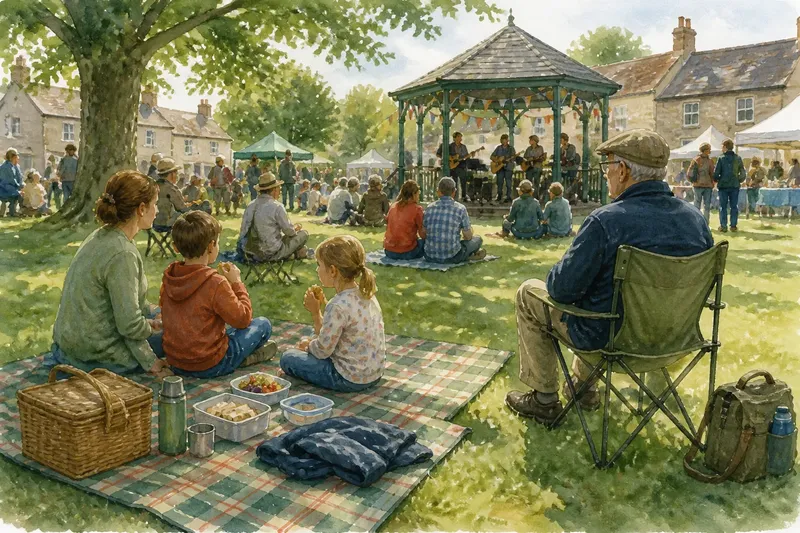
You reach the village green with a tin of sandwiches, a cardigan over one arm, and a choice to make: spread a blanket near the music, or unfold the camping stool you keep by the back door. For a long village gathering, the picnic blanket or foldable seat that works best depends less on which is softer at home than on how you will sit, move, and carry your things once you arrive.
Neither option is automatically more comfortable. A blanket gives you room to shift position and share space; a seat keeps you above damp or uneven ground and may be easier to rise from. The trouble starts when an item that suits one part of the day causes a problem in another. Matching the choice to the likely snags makes the decision easier.
Why does the blanket feel comfortable at first, then awkward?
A blanket feels inviting because it offers a broad, familiar place to settle. After a while, though, sitting close to the ground can make standing up feel awkward, especially if you have been sitting cross-legged or your knees do not enjoy that position. The issue may be posture, not the blanket itself.
Try laying it out at home and sitting on it for a short stretch in the way you expect to sit at the gathering. Test a few positions: legs folded, legs out, and sitting on a low cushion if you already own one. If you can change position easily, the blanket may suit you. If getting up requires leaning on a table or another person, choose a seat or plan to use a stable nearby surface for support.
A second cause is too little room. A small throw may fit one person sitting still but leave no space for a plate, a cup, or a child who wants to join. Use the blanket you have, then check that the people and items you expect to bring fit without crowding the edges. A larger sheet is not always better if it makes carrying or finding a spot difficult.
Why does a foldable seat feel like extra baggage?
A portable seat solves the low-to-the-ground problem, but it adds a separate object to carry. That can become irritating if you are also holding food, a coat, or a child’s hand, or if the gathering involves walking between several locations. The cause is not just the seat’s bulk; it is the number of things you must manage at once.
Before leaving, fold the seat and carry it with the bag or basket you plan to bring. If it snags, swings against your leg, or leaves you with no free hand, reconsider the combination. You might carry fewer extras, ask another person to share the load, or choose the blanket if the ground and your posture allow it. Avoid bringing both by default: duplicate seating can add weight without solving a problem you actually expect.
Check how the seat opens and closes, too. A mechanism that is stiff or unfamiliar can make settling in a nuisance, particularly when you are trying to avoid blocking a path. If you already own the seat, make sure you can set it up calmly at home. For an event where you will need to move often, a blanket that folds into a manageable bundle may be the simpler companion.
What if the ground is damp, rough, or sloping?
A blanket depends on the surface beneath it. Dew, recently watered grass, or a patch of mud can soak through ordinary fabric; stones and roots can make sitting uncomfortable. A seat avoids some direct contact with the ground, but a small stool can wobble on an uneven patch, and a sloping spot may still make sitting feel unstable.
Look at the likely setting rather than assuming the whole green is alike. A level, dry patch may be close to the event, while the nearest open area could be rough or shaded and damp. If you have a blanket with a water-resistant underside, check its condition and use it only as its care label allows. Otherwise, choose a visibly dry surface and keep a light layer between the blanket and ground if you have one that is suitable.
For a seat, choose a level area and make sure all its feet rest firmly before sitting. Do not place it where people need to walk or where it could obstruct access. If the only available ground feels unstable, staying on a blanket in a safer, flatter spot may be preferable to forcing the seat to work.
How does the gathering’s pace change the choice?
A village gathering may begin with a performance and turn into a walk to the stalls, a conversation by the hall, or a shared meal. A blanket suits a settled visit: you can spread out food, sit with children, and make room for a neighbor. A seat is often more convenient when you expect to sit upright, watch an event, or get up and move without packing a large spread away.
Consider how long you will stay in one place and what you will do while seated. If people will be passing plates or playing a ground-level game, the blanket may make joining in easier. If you want to watch a band or talk with someone standing, a seat can let you settle without taking up much ground space. For a gathering with both quiet sitting and walking around, the deciding question is whether carrying the seat between stops would bother you more than finding a place to spread the blanket again.
Say you are going to a village fête, expect to watch a short performance, and then plan to visit several stalls with a small bag. If the grass is dry and you are comfortable rising from the ground, your existing blanket can serve as a light resting place during the performance, then fold away before you move on. If standing up from the ground is troublesome, a seat may be kinder, but you could leave the blanket at home so you are not carrying both.
What should you do if children or older relatives are coming?
Different people may need different kinds of support. Children often shift position, sit beside an adult, or move between play and food; a blanket gives them room to do that. Someone who finds low seating difficult may prefer a firm, stable seat with enough height to sit and rise comfortably. A single item cannot meet every need just because the group arrived together.
Ask what the people coming actually find comfortable, then consider whether they will be able to carry or manage their own seating. If someone needs a seat, give that item priority and use the blanket for children or shared food only if carrying it still feels manageable. Where you are unsure about mobility or a health concern, ask the person what support they use and follow advice from a qualified professional when needed.
Keep a clear route to the gathering’s entrance and between seating areas. A well-placed blanket or stool should not create a trip hazard, particularly where children are moving about. A smaller personal setup can be more considerate than spreading possessions into a path or crowding someone else’s space.
Which option works for your specific snag?
How can I keep a blanket from soaking through?
Look for a dry, level patch and check whether your blanket has a sound water-resistant backing. If it does not, bring a clean, suitable layer to place beneath it if you already own one, or choose a seat when the grass is damp.
What should I choose if standing up from the ground is hard?
A stable seat is usually the more comfortable starting point, provided you can carry and open it without difficulty. Choose a level place, and ask a companion for help if you need it rather than relying on a wobbly table or nearby object.
Is a blanket practical if I plan to walk around?
It can be, if it folds into a bundle you can carry easily and you expect to return to one resting spot. If you will keep changing locations, a seat you can carry comfortably—or no extra seating—may take less effort overall.
Can I bring a blanket and a foldable seat together?
You can if each item has a clear purpose and the combined load is manageable. For example, use a seat for someone who needs help rising and a compact blanket for children, rather than carrying both simply because they are available.
How can you make the decision before you leave?
Use a quick check based on the likely friction points, not on what seems most picnic-like. Gather the item you are considering with the bag, food, and outer layer you will actually carry. Then ask:
- Can I carry this setup comfortably, with one hand free if I need it?
- Is the ground likely to be dry and level enough for the option I picked?
- Can I sit in this position and rise again without strain?
- Will I stay in one place, or move around during the gathering?
- Does anyone coming need a particular kind of support or more room?
- Can I place the item without blocking a path or crowding another group?
Choose the blanket when a shared, flexible patch of ground suits the group and the carry is simple. Choose the foldable seat when upright sitting, easier rising, or damp ground matters more than the extra object. If neither option fits the conditions, it is reasonable to use a nearby bench or take part without carrying a seat of your own.
The picnic blanket or foldable seat decision is easiest when you picture the first awkward moment, not just the first comfortable one: standing after a long sit, folding up to move, or finding a dry patch. Check the item you already own for condition and care instructions, and keep the rest of your carrying load modest. A useful seat is the one that lets you enjoy the gathering without turning arrival, sitting, or leaving into another task.